IBC Tote Recycling: How I Help Businesses Give Containers a Second Life
A few years ago, I found myself standing in a warehouse full of used IBC totes and industrial drums — dusty, dented, and seemingly destined for the landfill. That’s when I first discovered Kelly Drum, a company that completely changed how I thought about industrial waste. They specialized in IBC tote recycling and reconditioning, turning what most people saw as “junk” into reliable, sustainable packaging again.
I didn’t realize it then, but this experience would lead me into a whole new world — the world of responsible container recycling. Over time, I began helping businesses manage their IBC totes and barrels more consciously, extending their life cycle instead of adding to global waste.
If you’ve ever wondered what happens to those large plastic cubes behind factories, or searched “ibc tote recycling near me” without really knowing what it means — this story will help you understand the real value behind it. Let me show you how companies like Kelly Drum — and people like us — can turn industrial waste into a cleaner future.
The Hidden Life of IBC Totes — and Why They Matter More Than You Think
Here’s the part I didn’t expect: behind almost every large-scale business operation, from food production to construction, there’s an army of IBC totes quietly doing the hard work.
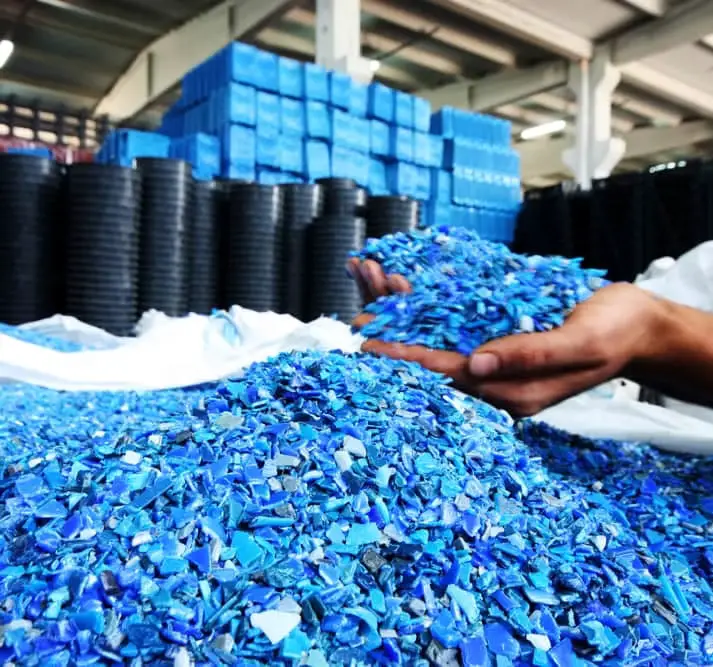
These Intermediate Bulk Containers (IBCs) are used to transport liquids, chemicals, or even food-grade products. Built from high-density polyethylene (HDPE), they’re strong, reusable, and versatile. But when a company has thousands of them in rotation, even the most durable containers eventually wear out.
And that’s where the problem starts.
Every year, millions of IBC totes end up discarded — many of them still usable after minor cleaning or repair. They pile up behind factories, take up storage yards, and eventually end up in landfills. I used to see them as clutter. Now I see potential.
Recycling or reconditioning these containers can save tons of plastic and metal each year, while helping businesses save money and stay compliant with environmental regulations.
How I Started Working with IBC Tote Recycling
It began with a simple question from a client:
“Can you help us figure out what to do with our used containers?”
I didn’t have the full answer then, but I knew where to start — with Kelly Drum. They were already known for their expertise in cleaning, refurbishing, and reusing industrial containers across the region.
I spent weeks learning how the process worked — from collecting used IBCs and drums to washing, inspecting, and reassembling them for reuse. What surprised me most was how technical yet elegant the recycling process is. It’s not just cleaning — it’s an art of giving materials another life while meeting strict quality standards.
That experience completely changed how I view waste. What looks like industrial debris often hides immense value when handled with care and expertise.
The Step-by-Step Process of IBC Tote Recycling
When people hear “recycling,” they often imagine crushing plastic and melting it down. But with ibc tote recycling, the process is far more precise — and sustainable.
Here’s how it typically works:
-
Collection and Sorting
Used containers are collected from various facilities and sorted based on their previous contents — food-grade, chemical, or general-purpose. -
Inspection and Testing
Each tote is inspected for cracks, dents, and contamination. Containers that are too damaged go into material recycling; the rest go into reconditioning. -
Cleaning and Sanitization
Using specialized high-pressure washing systems, the totes are cleaned inside and out. Any residue — oil, chemical, or organic — is safely removed. -
Repair and Replacement
Metal cages and valves are repaired or replaced. The inner plastic bottle, if worn, can be swapped out with a new one — extending the container’s lifespan by years. -
Final Quality Check
Before reuse, every tote undergoes leak testing and labeling to ensure safety and compliance.
It’s a delicate balance between recycling and reusing — but when done right, it saves resources and reduces waste dramatically.
Why Companies Like Kelly Drum Lead by Example
This is where I realized how much impact one company can have.
Kelly Drum isn’t just another recycling business — they’ve built a reputation around responsibility. Their model is based on three principles: reuse, restore, and respect.
They handle everything from IBC tote recycling to industrial drum reconditioning, giving businesses an easy, transparent way to close their waste loop.
What I admire most is their hands-on approach — every container gets evaluated, cleaned, and certified for reuse, not just “processed.” They work directly with manufacturers, distributors, and small businesses, showing that sustainable operations don’t have to be complicated.
Watching their process taught me something valuable: sustainability doesn’t start with big declarations — it starts with attention to detail.
Why IBC Tote Recycling Makes Sense — Economically and Environmentally
A brand-new IBC tote can cost hundreds of dollars. Recycling or reconditioning them can cut that cost in half — or more — while saving thousands of tons of plastic from production.
When I started consulting with businesses about their waste management systems, I noticed how many of them stored piles of used containers simply because they “didn’t know what to do next.” Once they learned about IBC tote recycling near me, things changed quickly.
By integrating tote recycling into their logistics, they not only saved money but also gained ESG (Environmental, Social, and Governance) credibility. For many, it was the missing link in their sustainability strategy. And personally? It’s rewarding to see how small operational changes create big environmental results.
The Creative Side — How IBC Totes Find a Second Life Beyond Industry
Here’s something I never expected: once you start seeing the potential in IBC totes, you can’t unsee it.
Beyond factories and warehouses, recycled totes often find their way into homes and gardens:
- Water storage tanks for gardens and farms.
- DIY raised beds and compost bins.
- Rainwater collection systems for sustainable living.
- Even furniture or art projects — I once saw someone turn an IBC cage into a garden bench!
Every container that gets reused is one less piece of waste polluting the planet. That’s why I always encourage both businesses and individuals to check for IBC tote recycling near me — sometimes your local recycling center already collaborates with companies like Kelly Drum. It’s a small act that contributes to a much larger movement.
What to Watch Out For When Recycling or Reusing IBC Totes
Of course, not every container can or should be reused. Over the years, I’ve learned to be cautious — especially when dealing with unknown materials.
Here’s what I always keep in mind:
- Know the history. Never reuse a tote that contained hazardous or toxic chemicals for anything related to food or water.
- Look for certification. Reconditioned totes should come with a label confirming they meet DOT or UN standards.
- Inspect for damage. Even a small crack or warped valve can compromise safety.
- Work with trusted recyclers. Companies like Kelly Drum follow proper safety and environmental regulations — not all recyclers do.
A little extra care in choosing where and how you recycle makes all the difference.
My Personal Routine for Sustainable Waste Management
Over time, recycling IBC totes became part of a bigger mindset for me — one centered around responsibility.
Now, I help clients not only recycle containers but also plan for reusability from the start. I make sure every product or process has an “afterlife” — a next step once it’s done serving its purpose.
And yes, it starts small. Sorting waste, finding local recycling programs, supporting certified partners like Kelly Drum, and spreading awareness. Because sustainability isn’t just about large projects — it’s about steady, thoughtful habits.
The Bigger Picture — How IBC Tote Recycling Fits into the Circular Economy
One of the most inspiring things about ibc tote recycling is how beautifully it aligns with the principles of the circular economy.
Instead of the traditional “use and discard” model, we move toward reuse and renewal.
Each recycled tote keeps raw materials in circulation longer, reduces carbon emissions, and decreases the strain on landfill sites. In a sense, every cleaned, repaired, and reused tote becomes a quiet statement: that sustainability and business efficiency can coexist.
When I walk through a warehouse filled with reconditioned containers, I don’t see waste — I see progress.If there’s one thing I’ve learned through my journey, it’s this: recycling isn’t about waste — it’s about value. Those bulky plastic cubes we once ignored have become symbols of responsibility, innovation, and renewal. Thanks to companies like Kelly Drum, IBC tote recycling is no longer just an industrial afterthought — it’s a powerful movement reshaping how we think about materials.