Gasket vs O-Ring: The Small Discovery That Saved Me Hours of Frustration
It all started with a tiny leak – the kind that doesn’t look like a big deal until you notice a small puddle under your coffee machine or washing machine. I thought it was nothing. Just a drop or two. But as the hours passed, I realized the problem wasn’t the wate it was me. I had used the wrong seal – and I didn’t even know there were different kinds.
If you’ve ever tried to fix something at home and felt lost among terms like gasket and O-ring, trust me, I’ve been there. They sound almost the same, right? Just “rubber circles.” But choosing the wrong one can turn a five-minute fix into a whole-day headache.
In this article, I’ll share what I learned about the difference between gasket vs o ring, why it matters more than you think, and how one small material – neoprene – became my go-to solution for lasting repairs.
How I Ended Up Learning About Seals the Hard Way
Here’s the part I didn’t expect – my first lesson in engineering came from my kitchen. One morning, I noticed steam escaping from the espresso machine I used daily. I thought it just needed tightening. But no matter how hard I turned the knob, the hiss returned.
I later discovered I had replaced the original O-ring with a flat gasket I found in a random repair kit. It seemed close enough – same color, same size. But as soon as pressure built up, the steam forced its way out again. That’s when I realized: not all seals are created equal.
At that moment, I decided to understand what really makes these small rings so essential — and why a simple material like neoprene can make all the difference.
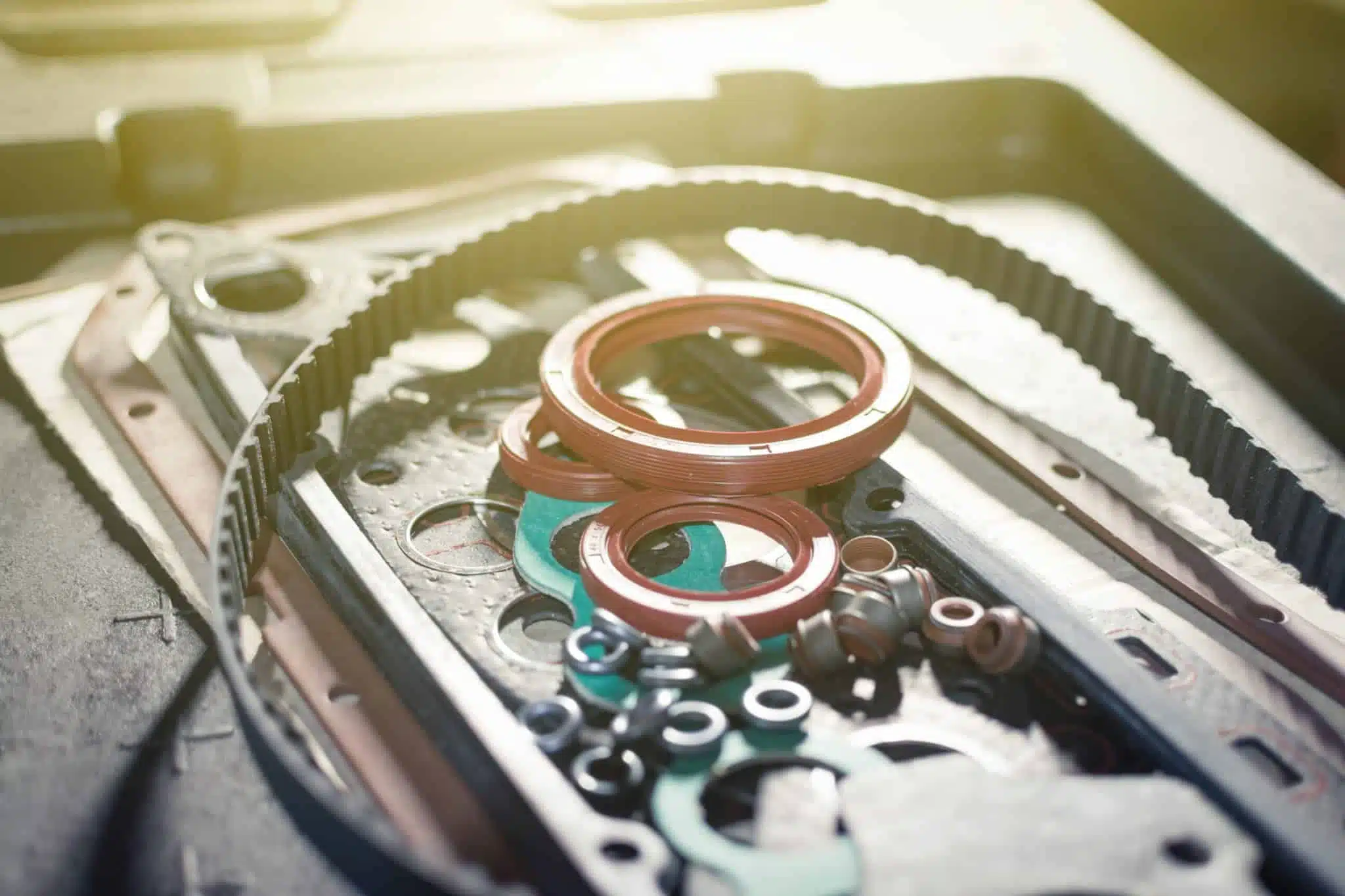
Gasket vs O-Ring – What’s the Actual Difference?
At first glance, they seem similar. Both prevent leaks, both are small, and both live quietly inside machines until something goes wrong. But the way they work is completely different.
Gasket – the flat protector
A gasket is a thin, flat barrier placed between two static surfaces – imagine sealing the lid of a jar or the connection between a tank and a pipe. It’s great for keeping things tight when there’s no movement.
You’ll find gaskets in flanges, engines, and even home plumbing systems. They can be made from rubber, silicone, graphite, or neoprene material, which resists oil, weather, and temperature changes.
O-Ring – the flexible guardian
An O-ring is a small circular ring that compresses between two parts to prevent leaks. It’s designed for dynamic connections — those that move or vibrate, like valves or pistons.
O-rings are more elastic, made to stretch slightly and return to their shape under pressure.
In short:
- Gasket = for stillness.
- O-ring = for motion.
Once I understood that, so many previous “mystery leaks” finally made sense.
Gasket vs O-Ring — A Quick Visual Comparison
Sometimes, you just need to see the difference to feel it:
| Feature | Gasket | O-Ring |
|---|---|---|
| Shape | Flat or cut to shape | Circular cross-section |
| Movement | Static | Dynamic |
| Pressure Resistance | Low to medium | Medium to high |
| Common Materials | Rubber, graphite, neoprene | Silicone, NBR, Viton |
| Best Used In | Covers, tanks, flanges | Valves, pumps, pistons |
This table became my little cheat sheet — something I keep on my phone for when I shop for spare parts. Because once you see it, you never mix them up again.
3 Steps I Use to Choose the Right Seal (and Never Get It Wrong Again)
Here’s the simple system that works for me every single time:
-
Check the connection type.
If it’s a static surface – like a lid or a pipe – you need a gasket. If there’s any movement, pressure, or vibration – an O-ring is your best friend. -
Match pressure and temperature.
Higher pressure means more compression – something O-rings handle better. -
Choose the right material.
I used to ignore this step, but it’s crucial. For example, neoprene material works wonders for household appliances and plumbing because it resists oils, heat, and even cleaning chemicals.
Since I started following these three steps, I haven’t had a single “unexpected” leak.
The Material Lesson – Why Neoprene Became My Secret Weapon
When I first heard the word neoprene, I thought of wetsuits. Turns out, it’s also one of the most reliable materials for seals.
Neoprene is a synthetic rubber that doesn’t dry out or crack easily. It resists oil, UV light, and water – basically everything that ruins most rubbers over time. When I switched to neoprene gaskets and O-rings, everything changed: the repairs lasted longer, and I didn’t have to replace them every few months.
It’s not the cheapest option, but it’s worth every cent. I even replaced the small rubber O-rings in my shower hose with neoprene ones – no more leaks, no more dripping sound at night.
Pro tip: If you don’t know what to choose, start with neoprene. It’s the most balanced and durable option for everyday use.
Common Mistakes That Cause Leaks (Even with Good Seals)
Here’s what I wish someone had told me before I wasted hours reassembling the same thing:
- Over-tightening. It crushes the gasket and ruins its surface.
- Reusing old seals. Once they’re compressed, they don’t fully recover.
- Ignoring surface damage. Even a tiny scratch can cause a leak.
- Choosing the wrong material. Not every rubber likes oil, heat, or chemicals.
- Storing parts in sunlight. UV light slowly destroys rubber — even neoprene needs shade.
Once I stopped making these mistakes, every repair started to feel smoother, cleaner, and — most importantly – final.
My Little Checklist Before Installing a Seal
This is my small ritual before I start any repair — it keeps me calm and efficient:
- Clean the surfaces completely.
- Check if the groove is smooth and free of dust or rust.
- Lubricate the O-ring lightly before installation — it helps it sit evenly.
- Avoid stretching it too much.
- Keep spare seals in sealed bags, away from sunlight or heat.
It sounds simple, but trust me — it makes a huge difference.
Gasket vs O-Ring — What Works Better and Where
Here’s what I realized after trying both in different places:
- Gaskets are perfect for fixed parts — pipe joints, covers, tank lids.
- O-rings are unbeatable for movement — pumps, faucets, pistons, anything that shifts under pressure.
In everyday life, you’ll find gaskets in washing machines, ovens, and pressure cookers. O-rings appear in faucets, espresso machines, and garden hoses. Once you know where each belongs, maintenance becomes so much easier.
The Emotional Side of Technical Fixes
This might sound funny, but fixing that leak changed something in me. I stopped seeing technical issues as “not my thing.” Understanding gasket vs o ring gave me a new kind of confidence — the quiet satisfaction of knowing I can handle it myself.
There’s something grounding in these small, precise details. You start appreciating how everything — from your car to your kitchen — depends on balance, pressure, and a good seal.
And maybe that’s the beauty of it: even the strongest systems rely on the smallest parts.
Lessons I’d Share With Anyone Who’s Ever Said “I Can’t Fix That”
If I could go back to that morning with the hissing coffee machine, I’d tell myself three things:
- Don’t guess – understand.
- Never underestimate materials – neoprene can outperform cheap rubber every time.
- A little patience saves hours later.
Now I keep a small box at home with assorted O-rings and gaskets, neatly labeled. I use them for everything — from fixing a dripping tap to sealing a food container.
It’s funny how something so small can make you feel capable. Every leak has a story. Mine taught me that being curious — even about the smallest things — pays off.The next time you hear that faint hiss or see a tiny drop where it shouldn’t be, take a closer look. It might just be a gasket or an O-ring trying to tell you something.